Introduction to the World of Arthritides
Have you ever wondered why your joints sometimes feel stiff or achy after a long day? You might be experiencing a touch of what doctors call arthritides. While “arthritis” is a word most of us know, arthritides is actually the plural form. It refers to a large group of over 100 different conditions that cause pain, swelling, and inflammation in the joints. In 2026, we are seeing a huge shift in how we talk about these conditions. It is no longer just something that happens to grandparents. People of all ages are learning how to protect their movement and live vibrant, active lives despite these challenges.
Understanding arthritides is the first step toward taking control of your health. Think of your joints as the hinges on a door. Over time, those hinges can get rusty or dusty, making the door hard to open. In our bodies, inflammation acts like that rust. It can make walking, typing, or even holding a cup of tea feel difficult. But here is the good news! Modern medicine and lifestyle changes are making it easier than ever to “oil” those hinges. In this guide, we will dive deep into the different types of joint issues. We will also explore the best ways to keep your body moving smoothly.
What are Arthritides?
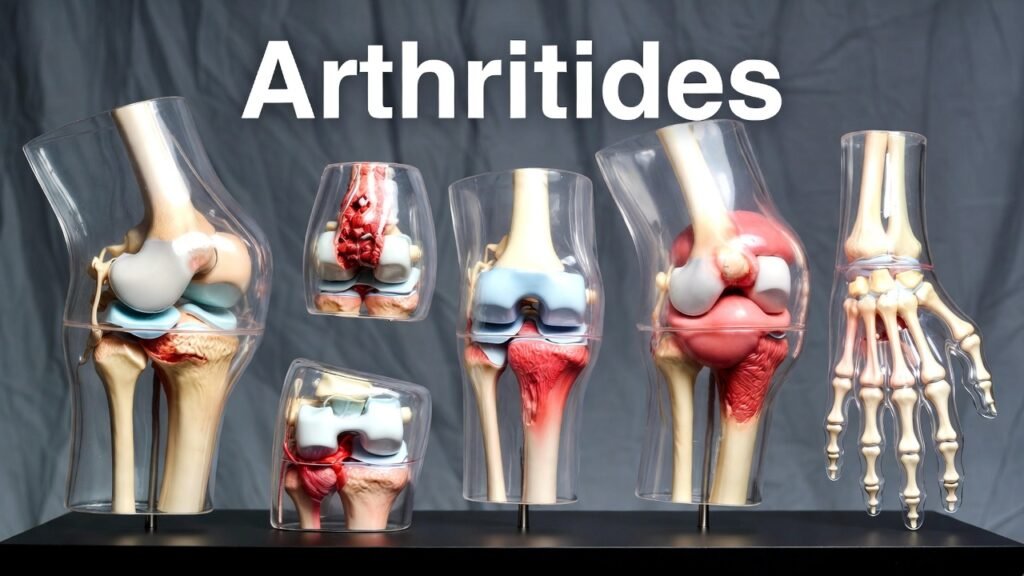
To really get a handle on this topic, we have to look at the science of a joint. A joint is where two bones meet. To keep them from rubbing together, they are covered in a slippery tissue called cartilage. Arthritides happen when this cartilage breaks down or when the lining of the joint becomes inflamed. Imagine a smooth slide at a playground. If the slide gets rough or sticky, it’s not fun to use anymore. That is exactly what happens inside an arthritic joint. The smooth movement becomes rough and painful.
The medical community is focusing on the “Total Body Connection.” We now know that arthritides aren’t just about the joints. Inflammation in one part of the body can affect your heart, your energy levels, and even your mood. This is why doctors are moving away from just giving out “pain pills.” Instead, they are looking at the whole person. They check your sleep, your stress, and what you eat. By treating the root causes of inflammation, we can often stop the damage before it gets worse. It is a very exciting time for joint health!
Table: Common Types of Arthritides at a Glance
| Type of Condition | Primary Cause | Common Symptoms | 2026 Trend |
| Osteoarthritis | Wear and tear of cartilage | Morning stiffness, joint “grinding” | Regenerative “Bio-gels” |
| Rheumatoid Arthritis | Autoimmune (body attacks joints) | Swelling, fatigue, symmetry | Personalized mRNA therapy |
| Gout | Uric acid crystal buildup | Intense pain, redness (often big toe) | AI-driven diet tracking |
| Psoriatic Arthritis | Immune system + skin issues | Joint pain and scaly skin patches | Integrated skin-joint care |
The Main Types You Should Know
While there are many versions of arthritides, two types are the most common. The first is Osteoarthritis (OA). This is often called the “wear and tear” type. It usually happens as we get older or if we have an old sports injury. The cartilage simply wears away over time. The second is Rheumatoid Arthritis (RA). This is an autoimmune disease. Your immune system, which is supposed to fight germs, gets confused. It starts attacking your own joint linings. RA can happen at any age, even in children.
There are also “metabolic” arthritides, like Gout. This happens when your body has too much uric acid. It forms tiny, sharp crystals in your joints that feel like broken glass. Ouch! Then there is Psoriatic Arthritis, which affects people who have the skin condition psoriasis. In 2026, we are much better at telling these apart quickly. New blood tests and high-tech scans help doctors find the specific “fingerprint” of your joint pain. This means you get the right treatment faster, which saves your joints from long-term damage.
Social Profile: Leading Joint Health Experts in 2026
| Expert Name | Specialty | Top Platform | Why Follow Them? |
| Dr. Elena Vance | Rheumatology | Instagram / TikTok | Explains “Smart Biologics” simply |
| Coach Marcus Reed | Low-Impact Fitness | YouTube | Home workouts for stiff knees |
| Nutritionist Mia | Anti-Inflammatory Diet | Easy “Golden Milk” and meal prep |
Modern Treatments: The 2026 Innovation
If you were diagnosed with arthritides ten years ago, your options were limited. Today, the world of medicine has exploded with new ideas. One of the biggest breakthroughs is “Bio-printing.” Scientists can now use a 3D printer to make new patches of cartilage! This is a game-changer for people with OA. Instead of a full metal knee replacement, you might just get a “biological patch” that grows into your own bone. It’s like getting a new tread on a tire instead of buying a whole new car.
For autoimmune arthritides, we are using “Precision Medicine.” This means doctors look at your DNA to see exactly which drug will work for you. No more “trial and error” with medications that have bad side effects. We are also seeing the rise of wearable devices. These “Smart Sleeves” can track how much you move and heat up automatically when they sense your joint is getting stiff. Technology is making it much easier to manage arthritides while you are at work or playing with your kids.
Lifestyle Secrets for Happy Joints
You don’t always need a doctor to help with arthritides. Some of the best tools are right in your kitchen and your living room. Diet plays a huge role in how much your joints hurt. Sugary foods and processed snacks act like “fuel” for the fire of inflammation. On the other hand, things like salmon, walnuts, and blueberries act like a “fire extinguisher.” In 2026, “Anti-Inflammatory Meal Prepping” is a massive trend. People are realizing that eating well is the best way to feel young.
Movement is also essential. It sounds backwards, but the more you move, the less arthritides will hurt. Think of it like a rusty bicycle chain. If you leave it alone, it stays stuck. If you wiggle it and add a little oil, it starts to spin. Swimming, yoga, and walking are perfect “joint-friendly” exercises. They strengthen the muscles around your joints. This takes the pressure off the bone and lets the muscles do the heavy lifting. Just 15 minutes of gentle stretching a day can make a world of difference.
The Emotional Side of Joint Pain
Living with chronic arthritides can be hard on your mind as well as your body. It is frustrating when you can’t do the things you love, like gardening or playing sports. In 2026, we are finally talking about the “Mental Health-Joint Connection.” Stress actually makes inflammation worse! When you are stressed, your body releases chemicals that can make your joints swell. This creates a cycle where you feel bad, so your joints hurt, which makes you feel even worse.
Breaking this cycle is key to managing arthritides. Many people are finding relief through mindfulness and meditation. Apps that help you breathe and relax can actually lower your pain levels. Support groups are also very popular now. Talking to other people who understand what “brain fog” or “morning stiffness” feels like helps you feel less alone. Remember, you are more than your diagnosis. Taking care of your spirit is just as important as taking your medicine. A happy mind helps create a happy body.
Designing Your “Joint-Friendly” Home
In 2026, our homes are getting smarter to help us manage arthritides. This is called “Universal Design.” It means making things easy for everyone to use, regardless of their grip strength. For example, instead of round doorknobs that you have to twist, many homes now have lever handles. These are much easier for arthritic hands. We also see “Voice-Controlled” everything! Being able to tell your lights to turn on or your thermostat to change means you don’t have to struggle with small buttons.
Kitchens are also changing to help those with arthritides. Pull-out shelves mean you don’t have to bend down deep into cabinets. Specialized “fat-grip” utensils make it easier to chop vegetables without pain. Even the floors are getting an upgrade! “Cushioned” flooring in kitchens helps take the pressure off your hips and knees while you cook. By making these small changes to your environment, you can save your energy for the things that really matter. Your home should be a place where you feel strong and capable.
Table: Easy Home Swaps for Better Joints
| Old Item | New “Joint-Friendly” Swap | Why it Helps |
| Round Doorknob | Lever Handle | No twisting required |
| Manual Can Opener | Electric Opener | Saves finger joints |
| Heavy Vacuum | Robot Vacuum | No pushing or pulling |
| Lace-up Shoes | Hands-free Slip-ons | No bending or tying |
The Future of Arthritides: What’s Next?
Looking ahead to the rest of the 2020s, the future of arthritides looks incredibly bright. We are moving toward a world where joint pain might be preventable. Scientists are studying the “microbiome”—the tiny bacteria in our gut. They believe that by changing these bacteria, we might be able to stop the inflammation that causes RA and other types of arthritides. There is also work being done on “Smart Implants.” These are tiny chips that can be placed in a joint to release medicine only when it is needed.
We are also seeing more “Nature Therapy.” Doctors are literally prescribing time in the woods or at the beach. Fresh air and natural light help regulate our immune systems and lower the stress that triggers arthritides flares. As we combine high-tech medicine with old-school healthy living, the “disability” part of joint disease is shrinking. People with these conditions are running marathons, traveling the world, and living without limits. The goal of 2026 is not just to survive with joint pain, but to thrive in spite of it.
Conclusion: You Are in the Driver’s Seat
In conclusion, arthritides might be a big, scary-sounding word, but it doesn’t have to control your life. We live in an age where information and innovation are everywhere. By understanding your specific type of joint issue, staying active, and eating the right foods, you can keep your body feeling young and flexible. Remember that every small step counts. Whether it’s choosing a salad over a burger or going for a ten-minute walk, you are making a deposit into your “health bank.”
Don’t be afraid to talk to your doctor about the latest 2026 treatments. Be your own advocate and stay curious about new ways to feel better. Arthritides may be a part of your story, but it isn’t the whole book. With the right tools and a positive mindset, your “hinges” can stay strong for many years to come. Keep moving, keep learning, and keep enjoying the journey
Frequently Asked Questions (FAQs)
Yes. It is called Juvenile Idiopathic Arthritis (JIA). It is different from the type older people get, but with modern 2026 treatments, most children with JIA can live very active lives and even play sports.
Actually, no! Research shows that cracking your knuckles doesn’t cause joint disease. That popping sound is just gas bubbles bursting in the joint fluid. However, if it hurts when you do it, you should see a doctor.
Yes, many people find that cold or damp weather makes their arthritides feel worse. This is often due to changes in “barometric pressure,” which can cause the tissues in your joints to expand and press against the bone.
Turmeric and Fish Oil are two of the most researched supplements for arthritides. In 2026, many doctors suggest these as a “support team” for your regular medicine. Always talk to your doctor before starting any new pill.
Water aerobics or swimming are the gold standard. The water supports your weight, so there is zero “impact” on your joints. It allows you to build muscle without any pain.
While you can’t “undo” bone-on-bone damage naturally, you can stop it from getting worse. In 2026, new regenerative treatments are also showing promise in actually regrowing small amounts of lost cartilage.
For More Information, visit chepstow-racercourse
.
Leave a Reply