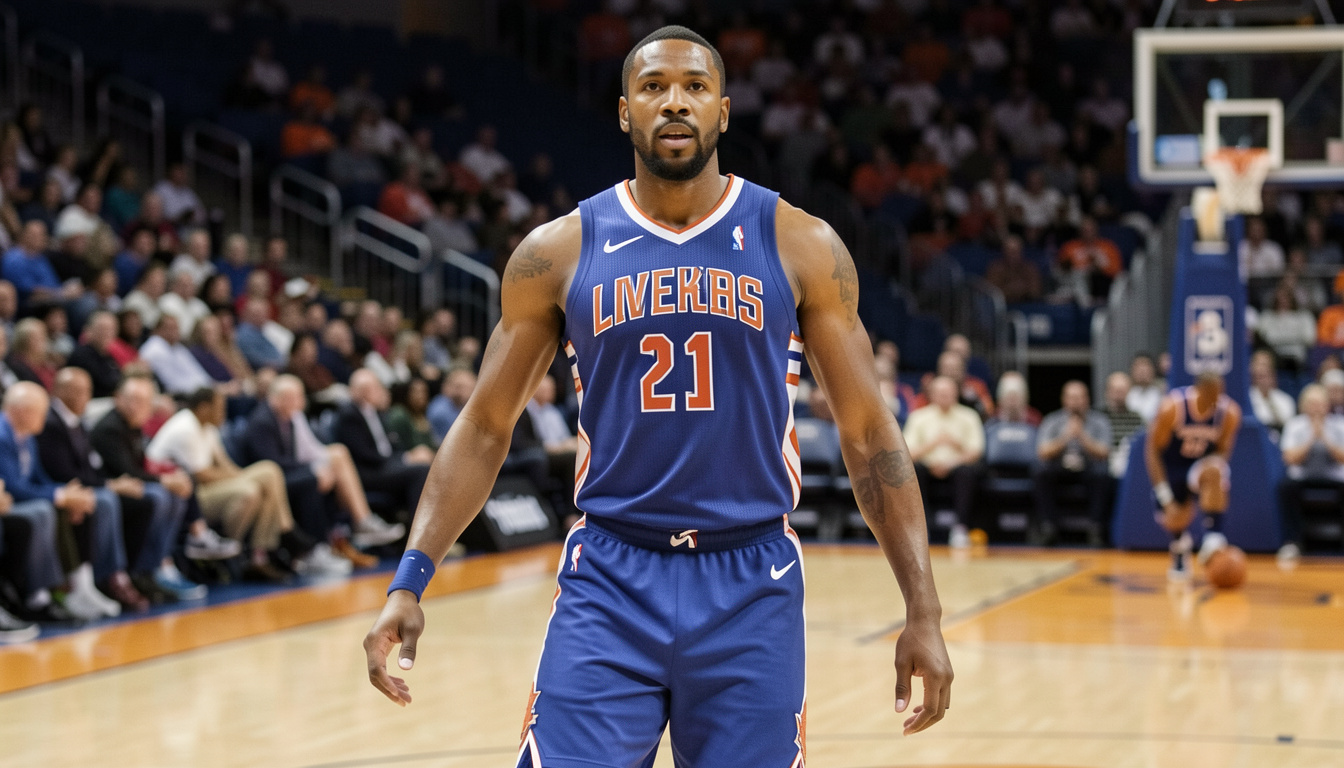
When we think of great NBA scorers, we often picture deep three-pointers or thunderous dunks. However, Shaun Livingston carved out a legendary career by focusing on a different shot. His shaun livingston midrange game was truly special. It was a weapon that defenses simply could not stop. Even though he rarely shot from behind the arc, his ability to score from 15 feet out made him a key piece of championship teams.
Table of Contents
Why the Midrange Game Mattered
In today’s game, many players only want to shoot three-pointers. Shaun Livingston played differently. He focused on the shaun livingston midrange shot because it was high-percentage and reliable. He knew his strengths as a player. By mastering this area of the court, he became a “go-to” player when the team needed a steady basket. It was simple, effective, and beautiful to watch.
His Unique Physical Advantage
One big reason for his success was his height. Standing 6’7″ as a guard, Shaun Livingston had a massive advantage. When he caught the ball in the post, he could see over almost any defender. He used his long arms to release the ball at a high point. This made the shaun livingston midrange jumper almost impossible to block. He did not need to be super fast to get his shot off.
Perfecting the Turnaround Fadeaway
The signature move for Shaun was the turnaround fadeaway. He would back his defender down toward the paint, spin, and release the ball with a high, soft touch. Fans often joked that the shaun livingston midrange shot never missed. It was a rhythm shot. He practiced this specific motion thousands of times. It became his “bread and butter” whenever the shot clock was running low.
Overcoming a Career-Changing Injury
It is important to remember how hard Shaun worked. Early in his career, he suffered a horrific knee injury. Many people thought he would never play again. Instead, he rebuilt his entire game. He stopped relying on explosive speed and focused on craft. This is when the shaun livingston midrange mastery really grew. He turned a massive setback into a unique, winning style of play.
Success with the Golden State Warriors
Livingston found his perfect home with the Golden State Warriors. They had stars like Stephen Curry and Klay Thompson who stretched the floor. When defenses focused on the three-point line, they often left Shaun open. He would punish them by hitting that reliable shaun livingston midrange jumper. He became the ultimate “steady hand” for one of the greatest dynasties in NBA history.
Analyzing the Efficiency
People often ask why a team would rely on a player who didn’t shoot many threes. The answer is simple: efficiency. While a three-pointer is worth more points, a missed shot provides zero. Shaun’s shaun livingston midrange shooting percentage was extremely high. Coaches loved that they could trust him to secure two points. It kept the offense moving and protected the team from long cold spells.
The Mental Side of Scoring
Beyond the physical skill, Shaun had an incredible basketball IQ. He knew exactly where his “spots” were on the court. He did not force bad shots. If a defender played him tight, he would pass to an open teammate. If the defender backed off, he would step into his shaun livingston midrange zone and score. His patience and composure were huge assets for his team.
A Lesson in Fundamentals
Young players can learn a lot from watching Shaun. He proved that you do not need to be the fastest or strongest player to succeed. By perfecting basic footwork and touch, he stayed in the league for 15 years. His shaun livingston midrange game is a perfect example of how basketball is a game of skill, not just raw athleticism. It is a lesson in playing to your own strengths.
Comparing Styles Across Eras
If Shaun played in the 1990s, he would have been a top-tier scorer. In the modern era, he was a niche specialist, but a vital one. Many teams today struggle to find someone who can score in the half-court when defenses tighten up. The shaun livingston midrange approach is actually making a comeback in how some teams value versatility. He was truly ahead of his time in terms of knowing his role.
Career Statistical Overview
To understand his impact, we must look at the numbers. While he never averaged huge scoring totals, his impact per minute was massive. He played over 800 games and remained a professional through and through. The table below highlights his steady production during his most impactful years with the Warriors.
| Season | Team | Games Played | Field Goal % | PPG |
| 2014-15 | GSW | 78 | 50.0% | 5.9 |
| 2015-16 | GSW | 76 | 53.6% | 6.3 |
| 2016-17 | GSW | 76 | 54.7% | 5.1 |
| 2017-18 | GSW | 71 | 50.1% | 5.5 |
| 2018-19 | GSW | 64 | 51.9% | 4.0 |
Frequently Asked Questions
1. Why was the Shaun Livingston midrange shot so hard to defend?
He was 6’7″ and had a very high release point, which made it impossible for smaller guards to block him.
2. Did he ever shoot three-pointers?
He rarely shot three-pointers, as he preferred to stick to his strengths within the midrange area.
3. Was his injury the reason he played this way?
Yes, after his major knee injury, he adapted his game to rely on skill, post-work, and his reliable jumper instead of speed.
4. Why is the midrange shot considered “old school”?
Modern analytics favor the three-pointer, but the midrange remains a vital tool for clutch situations and breaking down defenses.
5. What makes him a role model for young players?
He showed that hard work, perseverance after injury, and mastering fundamentals can lead to a long and successful career.
6. Where does he rank among midrange shooters?
While he didn’t have the volume of other legends, his efficiency and ability to hit the shot in big moments place him in the conversation for top specialists.
Conclusion
Shaun Livingston showed us that basketball is more than just shooting from distance. His dedication to his craft and his mastery of the shaun livingston midrange game made him a winner. He serves as a reminder that being a role player with a specific, reliable skill is a powerful way to leave your mark. What do you think about the return of the midrange game? Share your thoughts below!
Leave a Reply