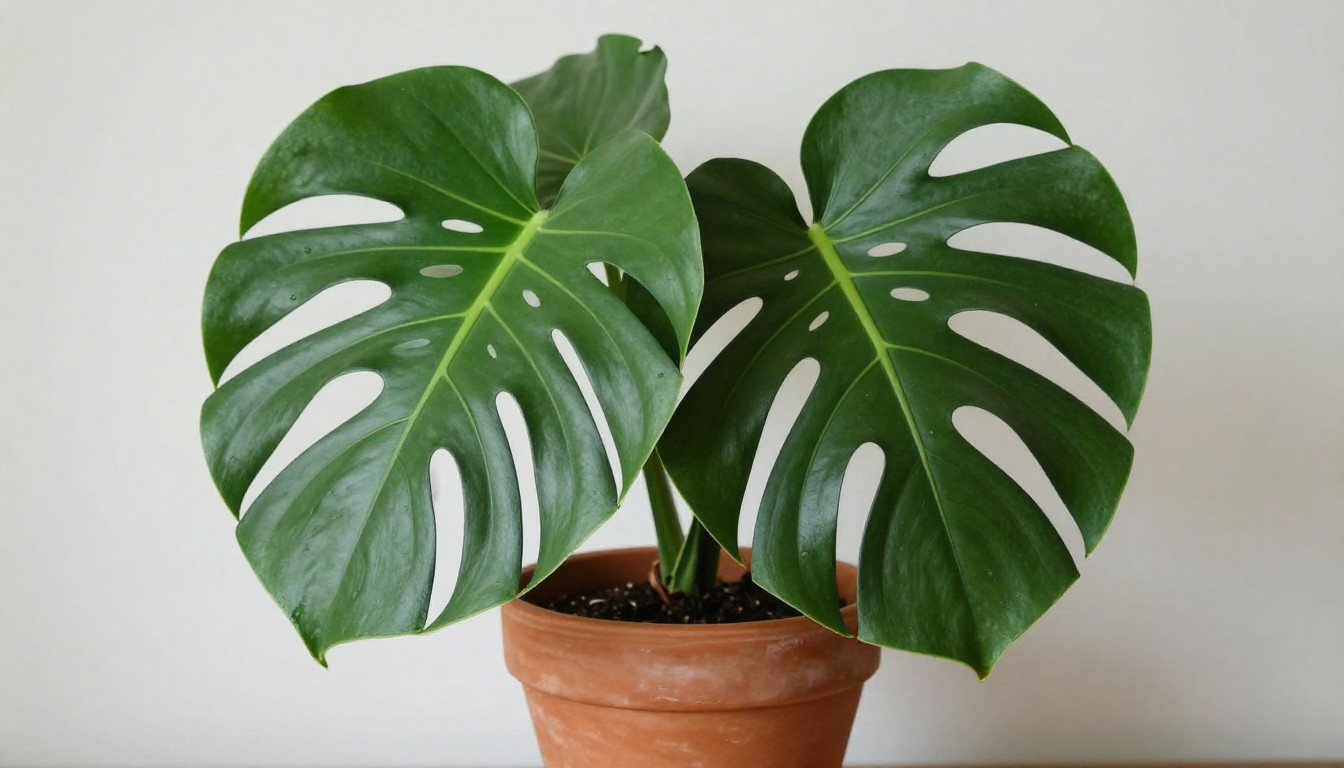
The swiss cheese monstera is one of the most loved houseplants in the world. People like it because of its big green leaves and natural holes. These holes look like Swiss cheese, which is how the plant got its fun name. This plant is easy to grow, even for beginners. That makes it perfect for homes, offices, and small apartments.
Many plant lovers choose the swiss cheese monstera because it grows fast and looks beautiful. It also helps improve indoor air quality. The plant comes from tropical forests, so it enjoys warm spaces and gentle light. You do not need expert skills to keep it healthy. With basic care, it can grow tall and strong.
In this guide, I will share real tips based on experience. You will learn how to care for it, where to place it, and how to fix common problems. If you want a happy plant, you are in the right place.
Table of Contents
What Is Swiss Cheese Monstera?
The swiss cheese monstera is a tropical plant with split or hole-filled leaves. Its real name is Monstera adansonii. It belongs to the Araceae plant family. Many people confuse it with Monstera deliciosa, but they are not the same plant.
This plant grows naturally in Central and South America. In the wild, it climbs trees using aerial roots. Indoors, it can trail from baskets or climb up moss poles. The leaf holes are not damage. They help the plant survive heavy rain and strong winds in nature.
One reason the swiss cheese monstera is so popular is its unique look. Each leaf grows with a different pattern. That makes every plant feel special. It also adapts well to indoor life, which is great for busy people
Why Is It Called Swiss Cheese Monstera?
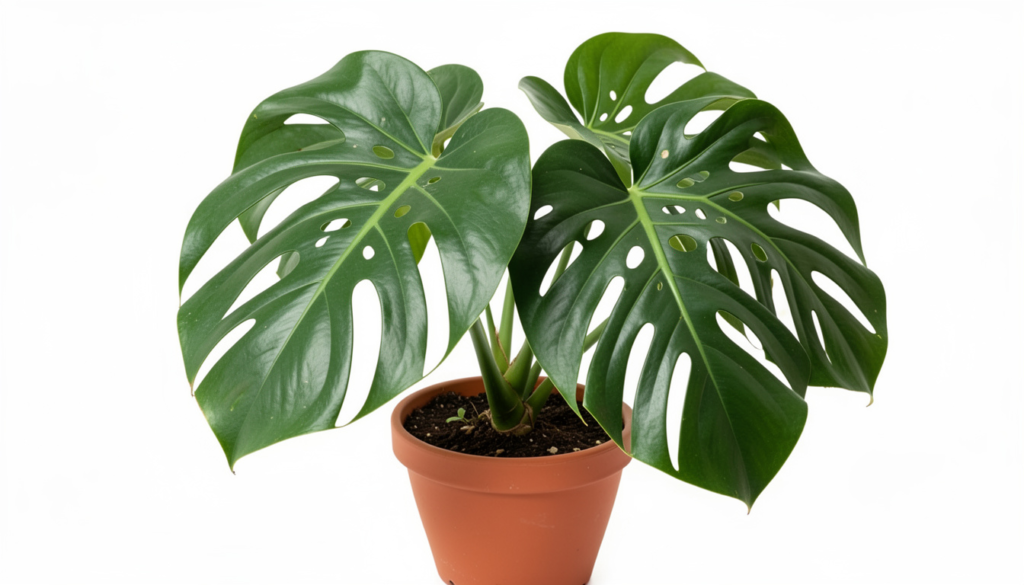
The name swiss cheese monstera comes from the leaf shape. The leaves have oval holes that look like Swiss cheese. These holes are called fenestrations. They appear as the plant matures and grows healthier.
In nature, these holes allow sunlight to reach lower leaves. They also help wind pass through without tearing the plant. Indoors, they are simply beautiful to look at. Many plant lovers see these holes as a sign of a happy plant.
Young plants may not have holes at first. With good light and care, new leaves will slowly develop them. This is one of the most exciting parts of growing a swiss cheese monstera at home.
Light Requirements for Swiss Cheese Monstera
The swiss cheese monstera loves bright but indirect light. Place it near a window where sunlight is filtered. Direct sun can burn the leaves and leave brown spots. Low light will slow growth and reduce leaf holes.
From my experience, east-facing windows work best. If the plant is far from light, rotate it every week. This helps even growth. Artificial grow lights also work well if natural light is limited.
Good light helps the plant grow bigger leaves. It also improves color and strength. When light is right, the swiss cheese monstera shows its best shape and texture.
How Often Should You Water It?
Watering a swiss cheese monstera is simple. Water when the top inch of soil feels dry. Overwatering is the most common mistake. Too much water causes yellow leaves and root rot.
Use pots with drainage holes. This allows extra water to escape. In summer, watering once a week is usually enough. In winter, reduce watering because growth slows down.
Always check the soil before watering. If it feels wet, wait a few days. This small habit keeps the plant healthy for years.
Best Soil for Healthy Growth
The swiss cheese monstera likes loose, well-draining soil. A mix of potting soil, perlite, and orchid bark works great. This helps roots breathe and prevents water buildup.
Avoid heavy garden soil. It holds too much water and harms roots. Good soil supports faster growth and stronger leaves. It also reduces disease risk.
Changing soil every 1–2 years refreshes nutrients. Your plant will thank you with fresh, glossy leaves.
Temperature and Humidity Needs
The swiss cheese monstera enjoys warm weather. Ideal temperature is between 18°C and 30°C. Avoid cold drafts and air conditioners.
Humidity is important. This plant loves moisture in the air. If your home is dry, mist the leaves or use a humidifier. Bathrooms with windows are great spots.
High humidity helps leaf holes form better. It also keeps edges from turning brown.
How Fast Does Swiss Cheese Monstera Grow?
With proper care, the swiss cheese monstera grows fast. You may see new leaves every few weeks during warm months. Growth slows in winter.
Using a moss pole encourages vertical growth. Hanging baskets support trailing vines. Both options look beautiful indoors.
Fertilize once a month during spring and summer. This gives extra energy for growth without stress.
Common Problems and Easy Fixes
Yellow leaves usually mean too much water. Brown edges mean dry air or low humidity. Small leaves may mean low light.
Check care habits before panicking. Most problems are easy to fix. Plants often recover quickly with small changes.
Healthy plants always give clear signs. Watch closely, and your swiss cheese monstera will thrive.
Is Swiss Cheese Monstera Safe for Pets?
The swiss cheese monstera is toxic to cats and dogs. It can cause mouth irritation if eaten. Keep it out of reach of pets.
If you have curious pets, place the plant on high shelves. Safety is always more important than style.
Styling and Decorating Ideas
This plant looks great in modern homes. Use white pots for contrast. Hang it in corners or place it on shelves.
Its leaves add a tropical feel to any space. Offices, bedrooms, and living rooms all benefit from its fresh look.
Swiss Cheese Monstera vs Monstera Deliciosa
People often mix them up. Swiss cheese monstera has smaller leaves with more holes. Monstera deliciosa has larger leaves with splits.
Both are beautiful, but they grow differently. Knowing the difference helps you choose the right plant.
FAQs About Swiss Cheese Monstera
Is swiss cheese monstera easy to grow?
Yes, it is beginner-friendly and needs basic care only.
How big does it grow indoors?
It can grow 3–5 feet with good care.
Can it grow in low light?
It survives, but grows slower with fewer holes.
Should I mist the leaves?
Yes, misting helps increase humidity.
Why are there no holes in my leaves?
Young plants need time and better light.
How long does it live?
With care, it can live many years indoors.
Final Thoughts on Swiss Cheese Monstera
The swiss cheese monstera is a perfect plant for anyone who loves greenery. It is easy to care for, fast-growing, and beautiful. Its unique leaves make any space feel fresh and alive.
If you want a low-stress houseplant, this is a great choice. Start with basic care, watch it grow, and enjoy the journey. If you found this guide helpful, share it or leave a comment. Happy planting
Leave a Reply