If you have ever admired the badge on a BMW vehicle, you may have wondered about the real meaning behind those three letters. “What does BMW stand for?” is a simple question, but the story behind the answer runs for more than a century, shaped by aviation, motorcycles, German engineering identity, reinvention, ambition, and global cultural impact.
The Direct Meaning
BMW stands for the German phrase Bayerische Motoren Werke, which translates in English to Bavarian Motor Works. It refers to engine manufacturing roots born in Bavaria, the mountainous region of Germany.
The company that represents this name today is the globally recognized BMW AG. But the original phrase existed before the brand became a symbol of premium cars, motorsports, luxury design, or cultural aspiration.
The actual words hidden inside the abbreviation are “Bayerische Motoren Werke” which means Bavaria’s engine factory built for motion and power.
However, that single translation only scratches the surface. The real story is richer, emotional, strategic, industrial, and surprisingly intertwined with the skies before ever conquering the roads.
The Origin Story That Many Drivers Do Not Know
A Brand That Began With Aircraft Engines
More than a hundred years ago, before global highways connected continents and before personal vehicles became everyday mobility, Germany was investing heavily in aviation engineering. Bavaria, a region known for precision tooling, cold-weather durability testing, and industrial craftsmanship, became an engineering hub for mechanical innovation.
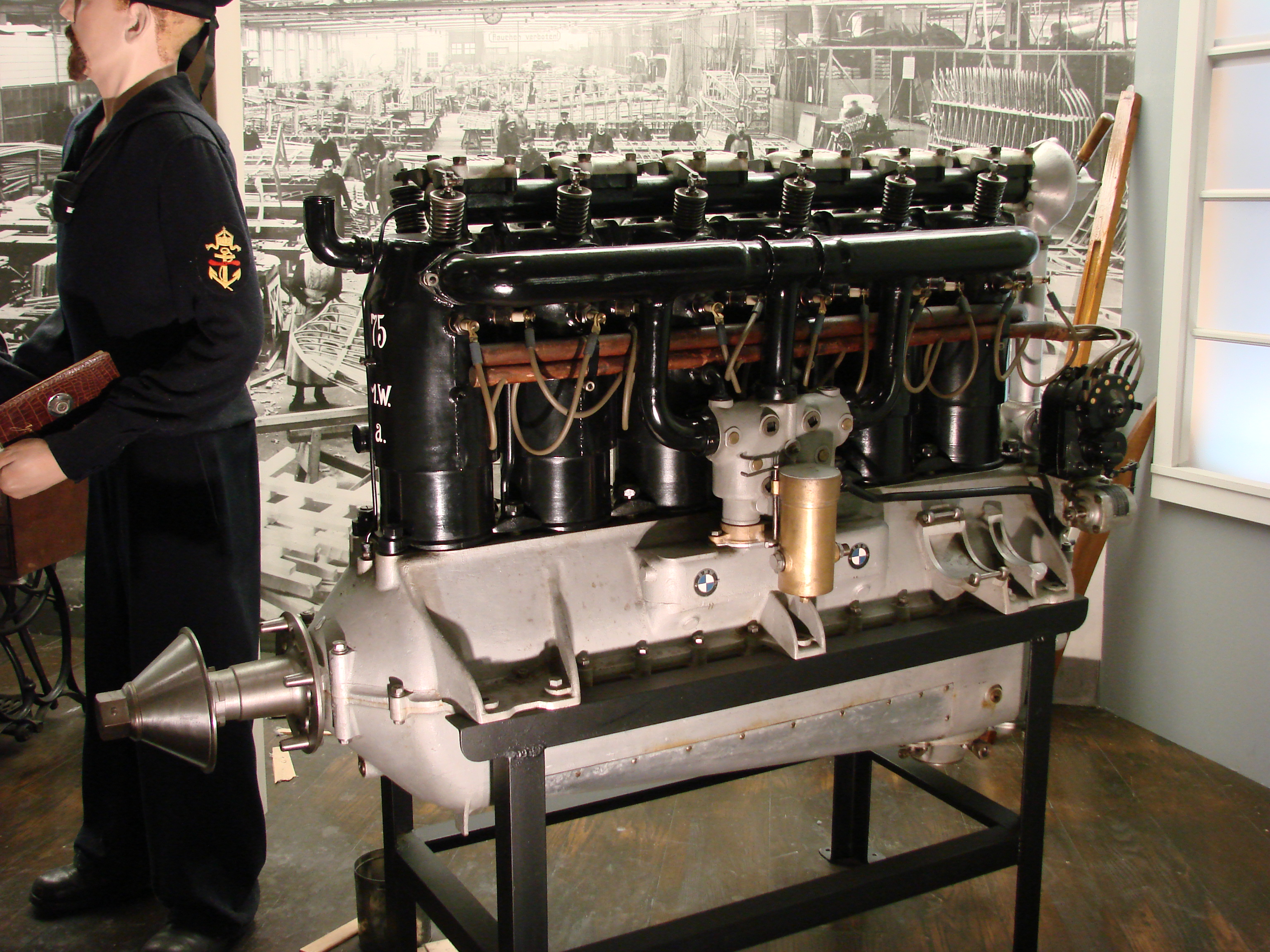
BMW was born into that era, not as a car brand, but as an engine maker for aircrafts. The primary focus was building high-compression, high-altitude engines capable of performing in colder and oxygen-restricted environments.
These early innovations laid the foundations that later influenced BMW’s philosophy: power must stay reliable, smooth, balanced, and intelligently engineered. The obsession was torque, compression, endurance, altitude, temperature resistance, lubrication science, carburetion efficiency, component metallurgy, weight optimization, and rotational balance.
When the aircraft division slowed after the war years, BMW reinvented itself. But the DNA it carried from aviation never disappeared.
The Shift to Motorcycles
After aviation engine restrictions in post-war Germany, BMW redirected its engineering to motorcycles. This strategic pivot to personal mobility engineering produced timeless origins for the BMW motorcycle legacy.
Motorcycles gave BMW three critical advantages:
-
Continuous engine innovation without dependency on aircraft contracts
-
Public exposure to the “BMW” badge for the first time
-
A chance to improve combustion systems, drivetrain durability, and handling stability
These bikes ultimately shaped the early civilian identity of the company long before designing their first iconic sedan.

The First Cars
It was not until later that BMW started manufacturing cars. Their first vehicles reflected the knowledge gained from engines and motorcycles. They prioritized:
-
Smooth inline engine layouts
-
Rigid and precise chassis structure
-
High engineering symmetry in piston movement
-
Balanced horsepower distribution rather than chaotic power load
-
Braking and suspension co-designed for stability, not just speed
Even early cars were not built as mass-market transport but as premium engineered machines for people who liked control, power feel, and mechanical intelligence.
How the Meaning of BMW Became an Identity, Not Just a Translation
Bavarian Pride Rooted in the Letters
While drivers read “BMW” as a luxury badge today, the actual phrase “Bayerische Motoren Werke” tied the brand publicly to Bavaria. This regional branding mattered because:
-
Bavaria already symbolized engineering rigor
-
Germany has strong regional cultural identity identity systems
-
Consumers trusted Bavarian built machinery built in Alps-tested environments
The name quietly communicated quality without speaking a single marketing slogan.
BMW’s letters were not random branding created for trend appeal. They were a declaration of origin, craftsmanship, and industrial focus: Engines built in Bavaria by Bavarians for motion, speed, and mechanical endurance.
This geographic identity identity is so strong today that many BMW fans feel emotional connection to Bavaria without ever having visited the region.
The Logo and the Sky Connection
There is a common myth that the BMW logo represents spinning airplane propellers. While the truth is a little different, it had intentional visual inspiration from aviation heritage.
The blue and white colors in the badge actually reflect Bavaria’s state colors, not the sky or planes. It honors BMW’s roots in Bavaria, locked in their identity forever.
This intentional color symbolism ties symbolically ties brand loyalty back to origin rather than product category.
The Psychological and Cultural Power Behind the Question “What Does BMW Stand For?”
Why So Many People Search It
The keyword search “what does BMW stand for” stays popular because:
-
Drivers want emotional connection to a badge they admire.
-
People are more curious about identity than mechanics.
-
BMW marketing feels minimalist, increasing curiosity.
-
It invites invites invites invites storytelling appeal.
-
The abbreviation looks modern but sounds vintage when explained.
People subconsciously expect abbreviations to be random or trendy. But BMW surprises them by sounding historic, intentional, and industrial when unpacked.
This surprise itself keeps the keyword trending year after year.
How BMW’s Meaning Connects to Their Engineering Philosophy Today
BMW engineering values values heavily reflect four semantic pillars:
1. Combustion Intelligence
Meaning horsepower cannot be brute-forced. It must feel smooth, progressive, and balanced. Most BMW inline engines inline engines follow symmetrical piston sequencing for minimal vibration.
2. Driver-Centric Mechanical Feedback
BMW designs emphasize steering feedback response, pedal pressure feel, torque progression feel, and handling intelligence.
3. Weight Optimization
Aviation roots inspired inspired obsession with weight-to-power ratio efficiency efficiency efficiency.
4. Durability Under Stress Conditions
Wildland altland climate altland climate altland endurance, altland endurance altland testing environments indirectly inspired inspired production today production directly.
Firefighters, Safety Standards, and Visibility Example (Analogical Intersection)
Many people compare safety roles to explain BMW engineering durability too. Example:
In emergency situations, firefighters use life-support tools like the equipment category Self Contained Breathing Apparatus. Just like firefighters need reliable reliable tools, BMW engines were engineered for reliability reliability first in oxygen-restricted high-altitude environments.
The analogy stands strong. People understand professions that require safety require reliable mechanical tools.
BMW Today: Cars, SUVs, Luxury, Motorsports, and Global Ambition
Modern BMW has expanded into:
-
sedans
-
coupes
-
convertibles
-
SUVs
-
electric vehicles
-
motorcycles continuing
-
motorsport racing teams
-
luxury custom design special editions
-
carbon fiber technology adoption
-
autonomous tech collaborations tech collaborations future planning
-
pilot structured engine systems systems future future
BMW brand now appeals to:
-
luxury lifestyle consumers
-
performance enthusiasts
-
young aspirational drivers
-
employers investing in executive transport vehicles
-
designers appreciating minimalist design minimal visual logos aesthetics
-
collectors appreciating German craftsmanship and history
Global Market Presence and Salary Comparison (Analog buffer context)
A fun practical indicator of BMW’s global influence lies in wage comparison comparison conversations. For example, in America, firefighters firefighters firefighters earn earn earn USD 45k to 90k+ base base pay, which often cross cross BLS tracking standards standards. Similarly, BMW’s wages scale regionally regionally like firefighters do too. But BMW’s identity scales culturally, not municipally municipally.
How the BMW Name Continued to Stay Timeless Without Chasing Trends
While many brands rebrand rebrand every decade, BMW kept its original original original abbreviation because:
-
It already reflected industrial credibility
-
It sounded prestigious even without modification
-
It aged well across languages languages languages
-
The letters transitioned seamlessly into global global global brand recognition
-
It did not need flashy renaming to sound relevant
Even today, you can expand the letters without losing elegance, history, or authority.

BMW Name Spoken Across Languages Today
| Language | How It Is Understood |
|---|---|
| English | Bavarian Motor Works |
| German | Bayerische Motoren Werke |
| Hindi/Urdu | Bavaria ki engine banane wali company |
Regardless of pronunciation differences, the meaning meaning stays durable, historically anchored anchored.
Misconceptions vs Facts Facts Facts
| Misconception | Fact |
|---|---|
| BMW means two separate religions | No, it’s one religion with denominations |
| Logo shows sky | No, it shows Bavarian state colors |
| Propeller myth is official | Not officially official officially symbolically interpreted |
Why the BMW Stand-For Question Matters Beyond Curiosity
The question matters because it teaches:
-
how brands grow historically
-
how engineering influences identity influences identity psychology
-
why some abbreviations are declarations, not marketing inventions
-
how origin increases increases consumer trust
-
why consistency consistency across decades builds loyalty
Closing Thoughts
So again, the final answer, said warmly:
BMW stands for Bayerische Motoren Werke, meaning Bavarian Motor Works, a global German manufacturer rooted in Bavaria, built by engineers who began began began began began with aviation aviation aviation engines and motorcycles and later transformed later transformed later transformed into premium car design success success success at the organization today known as BMW AG.
Leave a Reply